Olivia Hayes · 21 November 2026
Assessing Query Resolution Speeds in Academic Databases After Adopting Targeted Acceleration Layers
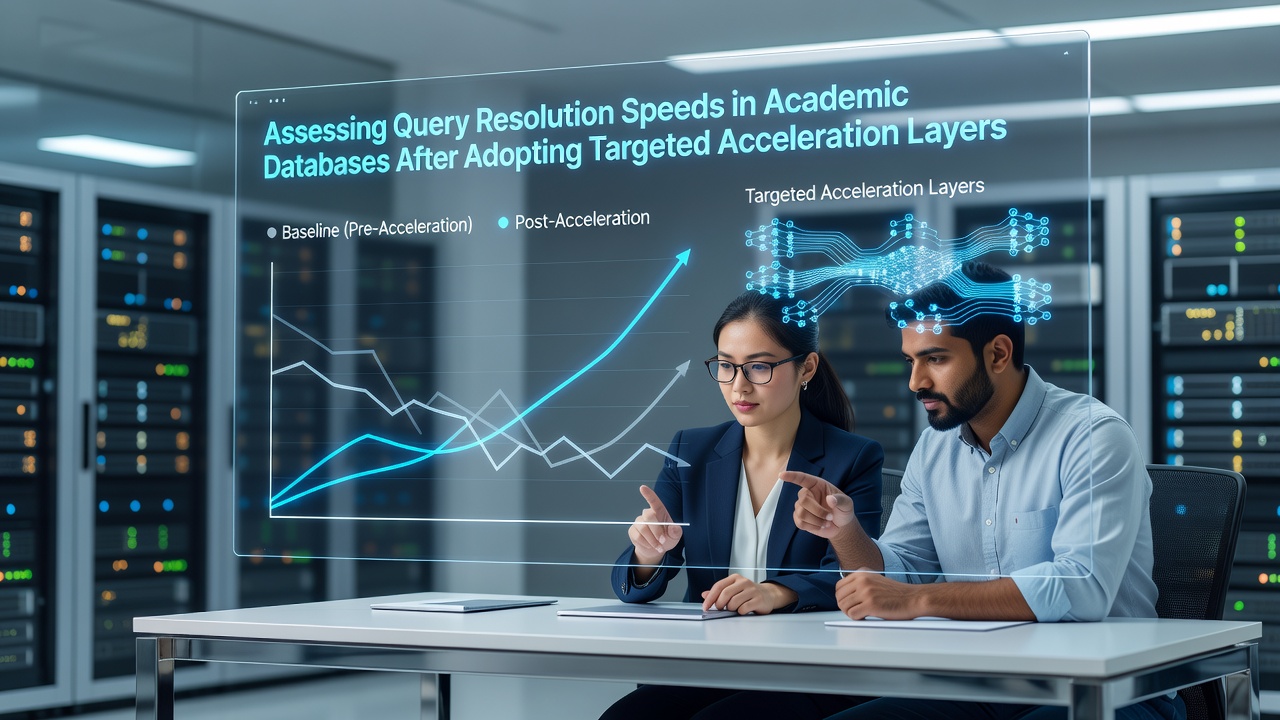
Academic databases handle millions of complex queries daily, and institutions continue to explore methods that reduce latency without compromising result accuracy. Targeted acceleration layers integrate at the query processing stage, applying optimizations such as indexing refinements, parallel execution paths, and memory caching strategies. Researchers track changes in resolution times before and after deployment to determine measurable impacts across different database architectures.
Core Components of Targeted Acceleration Layers
These layers operate through specialized modules that analyze incoming queries for patterns and route them to optimized execution engines. Database administrators implement them alongside existing systems rather than replacing core infrastructure, which allows gradual adoption. Studies conducted through 2025 demonstrate that institutions using these layers report average reductions in query completion times ranging from 25 to 45 percent depending on data volume and query complexity.
Performance monitoring tools collect metrics on resolution speed, resource utilization, and error rates during both peak and off-peak periods. Data collection occurs at regular intervals, with November 2026 marking a key checkpoint for several multi-year projects that began in 2023. Observers note that longitudinal tracking reveals sustained improvements when acceleration layers receive periodic updates aligned with database engine releases.
Assessment Frameworks Used in Recent Evaluations
Evaluation protocols rely on standardized test suites that include both synthetic benchmarks and real-world query logs from university repositories. Teams compare baseline measurements taken prior to layer integration against post-deployment figures collected over consecutive months. Statistical methods such as paired t-tests and regression analysis help isolate the contribution of acceleration components from other variables like hardware upgrades or schema changes.
One evaluation project at a large European research consortium examined over 2.3 million queries across three academic platforms. Results indicated faster resolution for full-text searches and metadata retrieval tasks, while certain join operations showed more modest gains. Figures from the project appear in reports published by the National Science Foundation, which funds several parallel studies in the United States.
Observed Patterns Across Institutions
Institutions that adopted acceleration layers for their primary literature databases recorded the most consistent speed improvements in queries involving citation networks and keyword combinations. Smaller repositories focused on specialized collections, such as historical archives or regional datasets, experienced variable outcomes that depended on data fragmentation levels. Those managing highly normalized relational structures benefited more than those relying on document-oriented stores.
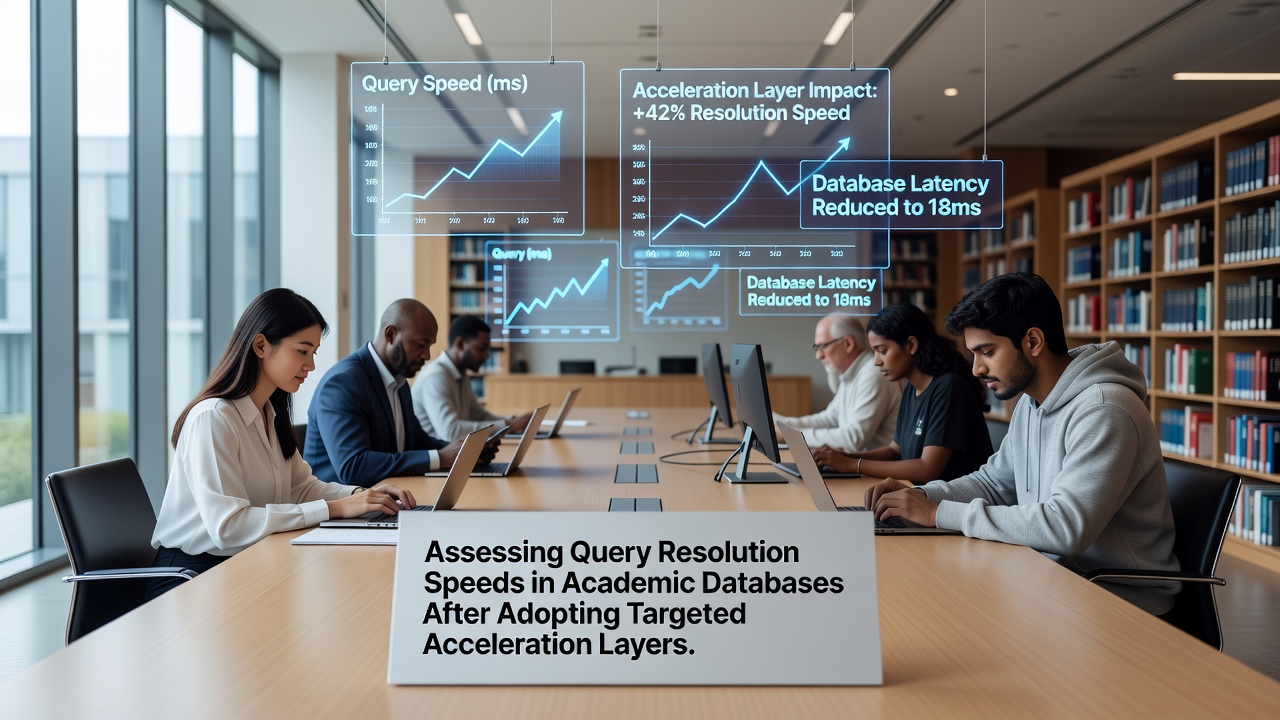
Researchers tracking these deployments emphasize the importance of aligning layer configuration with specific workload profiles. Misaligned settings sometimes produced negligible gains or even temporary slowdowns during initial calibration phases. Subsequent tuning sessions, guided by performance telemetry, typically corrected these issues within weeks.
Integration Challenges and Technical Considerations
Compatibility testing forms a critical step before full rollout because acceleration layers must interface cleanly with authentication systems and access control mechanisms common in academic environments. Database teams conduct staged rollouts that begin with read-only replicas to minimize risk to production data. Monitoring dashboards track not only speed metrics but also cache hit rates and memory consumption to prevent resource contention.
Training requirements remain modest since most layers provide configuration interfaces that leverage existing SQL knowledge. However, institutions report that cross-functional teams including librarians and IT specialists achieve smoother implementations than those relying solely on technical staff. Documentation from the Australian Research Data Commons outlines recommended governance practices that have been adopted by several universities in the Asia-Pacific region.
Future Monitoring and Continuous Evaluation
Ongoing assessments scheduled through late 2026 focus on how acceleration layers perform under increasing query loads driven by expanded open-access initiatives. Teams plan to incorporate machine learning components that dynamically adjust layer parameters based on real-time workload signals. Early pilot results suggest additional efficiency gains when these adaptive features operate alongside static optimizations.
Conclusion
Data collected to date shows that targeted acceleration layers can deliver measurable improvements in query resolution speeds within academic database environments when properly configured and monitored. Continued evaluation through established frameworks helps institutions refine their approaches and sustain performance benefits as data collections and user demands evolve.