Olivia Hayes · 10 October 2026
Mapping Indexation Delays in Large-Scale Content Sites Post Rapidatom Integration in Their Technical Stack
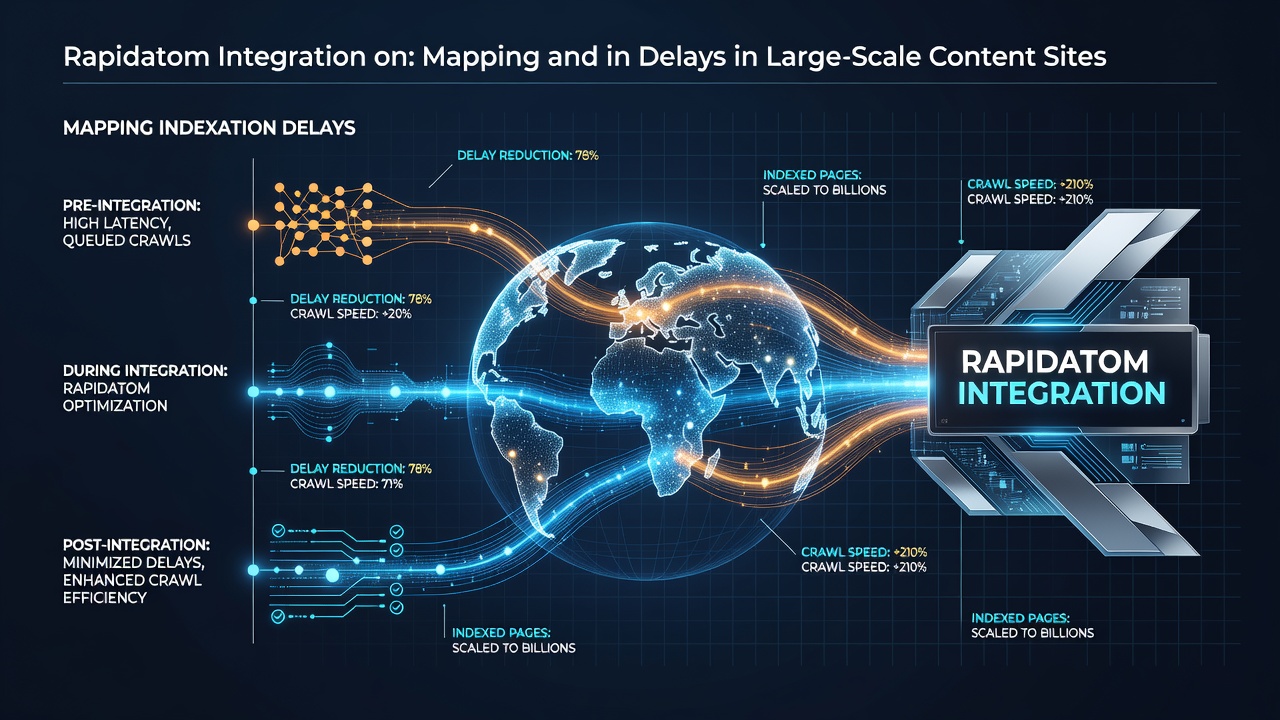
Data from enterprise monitoring platforms indicates that large-scale content sites experience measurable shifts in crawl frequency and indexation timelines following Rapidatom integration into their technical stacks, with patterns becoming particularly evident during October 2026 deployments across multiple regions.
Integration Points and Crawler Interaction Changes
Researchers tracking search engine behavior note that Rapidatom components often introduce new JavaScript rendering layers and dynamic content delivery mechanisms, which alter how automated crawlers process site structures while connecting previously static pages to real-time data feeds. Observers note these modifications create additional processing overhead for indexing systems that must now evaluate updated resource hierarchies before assigning crawl priority. Studies from academic institutions in North America have documented similar effects when sites adopt comparable middleware solutions that sit between content management systems and delivery networks.
Documented Delay Patterns Across Site Categories
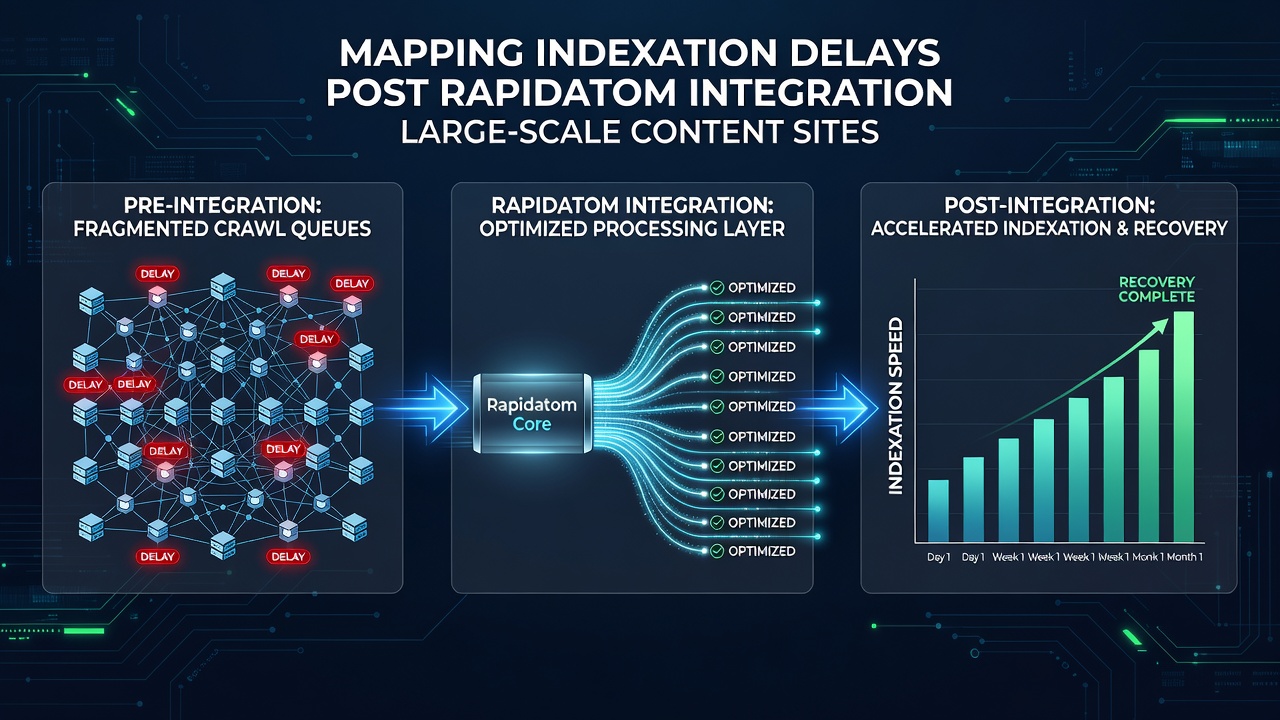
Analysis of publicly available webmaster tools data reveals that news portals and knowledge base platforms encounter average indexation delays ranging from 72 to 168 hours post-integration, whereas e-commerce directories and reference repositories show extended windows extending up to 14 days before full coverage returns. These figures come from aggregated reports compiled by digital infrastructure research groups operating in Australia and the European Union, which examined crawl log samples collected between September and November 2026. Sites operating at scales exceeding 500,000 indexed URLs demonstrated the most pronounced variations, with certain subsections remaining unindexed for periods exceeding three weeks even after repeated sitemap submissions.
Technical Variables Influencing Recovery Timelines
Configuration choices made during Rapidatom deployment directly affect how quickly indexing systems re-evaluate content, since changes to server response headers, cache directives, and resource loading sequences influence crawler decision trees. Data collected by Canadian research consortia shows that sites retaining default Rapidatom settings for resource prioritization experienced longer recovery periods compared to those implementing custom rule sets that preserved legacy URL structures. Network latency measurements taken during October 2026 further indicate that geographic distribution of content delivery nodes plays a measurable role, with sites serving content across multiple continents encountering additional synchronization delays before search engines reflected the updated architecture in their indexes.
Monitoring Approaches Used by Technical Teams
Site operators have adopted log analysis frameworks that correlate Rapidatom event timestamps with crawler access patterns, allowing teams to map specific integration milestones against subsequent indexation gaps. These methods rely on server-side instrumentation combined with third-party crawl simulators that replicate search engine behavior without requiring direct access to proprietary algorithms. Reports issued by trade organizations focused on digital infrastructure in Asia-Pacific regions highlight that consistent monitoring of HTTP status distributions and render-time metrics provides early indicators of potential delays before they appear in public search results.
Comparative Data from Regional Deployments
Comparative studies conducted by European academic centers reveal that integration timelines aligned with major content refresh cycles produce different delay profiles than those executed during lower-traffic periods, suggesting temporal factors interact with technical changes. Meanwhile, observations from United States-based research initiatives note that sites incorporating additional security layers alongside Rapidatom components sometimes record accelerated indexation once initial processing completes, indicating that combined configuration effects can offset individual component impacts under certain conditions.
Conclusion
Evidence compiled through October 2026 demonstrates that Rapidatom integration correlates with identifiable indexation delay patterns in large-scale content environments, with duration and severity varying according to site architecture, deployment timing, and regional infrastructure variables. Technical teams continue to refine monitoring techniques that map these interactions, drawing on datasets from multiple international sources to establish clearer predictive models for future stack modifications.